Can a 3PL give your supply chain a competitive advantage?
What to look for in a modern logistics partner – and why transparency and compliance matter as much as capacityBy Shannon Russell
Key points:
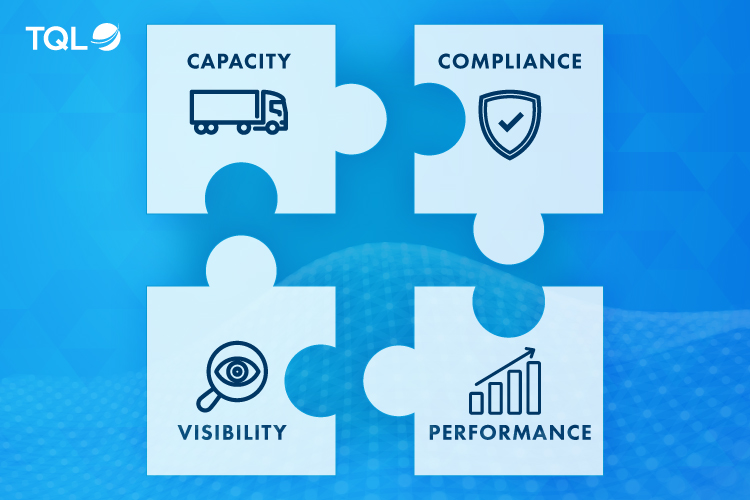
- A modern 3PL offers expanded capacity.
- A 3PL can improve performance and reduce risk, but consistency and accountability drive real results.
- Strong compliance standards and transparent scorecards give shippers a clearer view of network performance.
- A single point of contact helps streamline communication and maintain control across geographies, modes and services.
That still matters, but it no longer tells the full story.
Yes, a 3PL can give a supply chain a competitive advantage. That advantage comes when the provider operates as a strategic partner focused on consistency, transparency and accountability, delivering supply chain solutions that go beyond freight execution.
This evolution is reflected across the industry, where TQL is ranked No. 9 among North America’s largest logistics providers by Transport Topics.
Today’s supply chains are more complex and connected than ever. A missed pickup, delayed delivery, or breakdown in communication can quickly impact operations, customer relationships and costs.
That’s why many shippers are looking beyond execution alone and asking a more important question: What kind of support should a logistics partner actually provide?
From execution to performance management
Moving freight is only one part of supply chain management. The greater challenge is everything around it, including coordination, communication and consistency.
Modern 3PLs reduce complexity by limiting handoffs. A single point of contact helps keep shipments aligned and creates clear ownership when issues arise.
Technology supports this with shipment visibility and performance trends, giving shippers greater supply chain efficiency.
But visibility alone isn’t enough. The value comes from using that information, supported by freight analytics, to improve decisions and strengthen execution.
Why compliance matters
Strong compliance forms the foundation of a reliable carrier network. This includes carrier safety standards, insurance requirements and clearly defined service expectations.
When a 3PL is disciplined in these areas, it can contribute to a more stable carrier network. For shippers, that often translates into fewer disruptions and more consistent day-to-day performance.
It’s also important to understand how carriers are vetted, monitored and managed when issues arise, because these processes shape how risk is controlled across the network.
Scorecards and transparency
Performance only improves when it is measured clearly and shared consistently.
Scorecards provide that structure. They track metrics such as on-time pickup and delivery, tender acceptance, claims and communication, and they show performance over time rather than isolated results.
When shippers and providers operate from the same data, conversations shift from reacting to problems to improving performance. That transparency builds trust and drives accountability across the network.
Choosing a strategic partner
Logistics decisions impact cost, service levels and the consistency of supply chain execution.
When evaluating a 3PL, it helps to consider:
• How performance is measured and shared
• Strength of compliance and carrier management practices
• Visibility into shipments and network activity
• Consistency of communication and accountability
A strong partner does more than move freight. It simplifies complexity and delivers consistent performance across the network.
Building a more consistent supply chain
A competitive supply chain isn’t defined by isolated wins. It’s shaped by repeatable performance over time.
Scorecards and compliance work together to turn shipment data into action and reduce risk before it becomes a service failure. Many shippers are also placing greater focus on sustainability, efficiency and emissions in addition to cost and speed.
The real difference comes down to this: Does a partner simply execute freight movement, or does it improve how the network performs over time?
That’s what separates a vendor from a true logistics partner.
See how TQL helps strengthen supply chain performance through greater visibility, compliance and consistency. Contact your dedicated Logistics Account Executive or email clientservices@tql.com.