One year later: What NMFC modernization means for LTL shippers today
Modernization fully in effect with ongoing refinements underway
By Shannon Russell
Key points:
- NMFC modernization now classifies LTL freight based more on how it behaves in a trailer than what the product is
- Density is the main driver of freight class (50–500), with space, stackability, and handling also factored in
- Accurate weight and dimensions are critical because they directly impact classification, pricing, and billing accuracy
The focus has shifted to ongoing refinements based on industry feedback and real-world shipping experience.
A simpler, more consistent system
NMFC modernization, known as Docket 2025-1, changed how freight is classified.
Before, freight was mostly grouped by what it was. Now it’s classified more by how it behaves in a trailer.
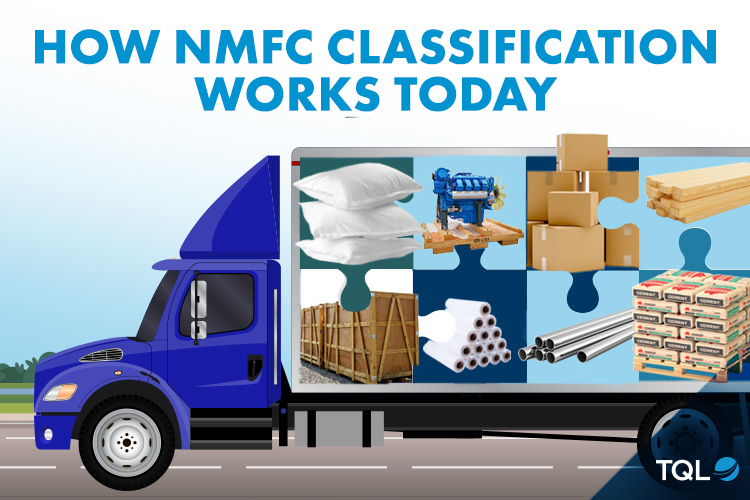
That means things like how much space it takes up, how easily it stacks and how it fits with other freight matter just as much as what the product actually is. For example, foam pillows and metal parts could weigh the same, but pillows take up more space—so they may fall into a different class and cost more to ship.
Today, LTL freight still uses the NMFC system. It sorts shipments into 18 standard freight classes, from 50 to 500.
What’s changed is how those classes are decided. Density now does most of the work, with handling, stackability and risk considered when needed.
More: Learn more about how TQL supports LTL shipping
Refinements underway
NMFC modernization didn’t end when the new system launched.
The National Motor Freight Traffic Association (NMFTA), which maintains the NMFC system, continues to update classifications and guidance through regular docket cycles as carriers, shippers and industry groups provide feedback.
Most updates focus on improving clarity and consistency in how classifications are applied. That includes:
- Clarifying how density is calculated in certain shipping situations
- Refining density-based class structures
- Simplifying commodity listings for freight with similar shipping characteristics
- Expanding guidance and resources for shippers and carriers
The goal is simple: helping shippers and carriers arrive at the same classification for similar freight.
As more shipments move through the density-based system, additional refinements are expected. Future updates will continue to prioritize consistency, clarity and ease of use.
What this means for shippers
Accurate shipment information has always been important in LTL shipping, but NMFC modernization has increased the role freight density plays in classification.
As a result, precise weight and dimensions (including length, width, and height) are often needed to calculate density and assign the correct freight class. Missing or inaccurate data can lead to reclassifications, billing adjustments or delays.
For many shippers, the biggest shift isn’t capturing dimensions—it’s how much more those measurements now influence classification and pricing. With density now driving classification, accurate measurements are essential to getting freight classified correctly the first time.
A look back: See the breakdown of NMFC changes implemented in 2025
What TQL can do for you
TQL is a logistics partner that helps shippers adapt to NMFC changes without interrupting their operations.
That includes helping customers understand updated classifications, align freight data with current NMFC standards and navigate changes as they occur.
Our experts and TQL TRAX, our transportation management platform, help shippers make informed LTL shipping decisions. We proactively track shipments, communicate updates and help resolve issues 24/7/365.
TRAX also helps simplify day-to-day LTL shipping by allowing customers to save commodities, NMFC classifications and shipment templates, making rating faster, more consistent and more reliable as classification requirements continue to be refined.
TQL’s LTL services are built around each shipper’s needs. Contact your dedicated Logistics Account Executive today or visit TQL.com/Less-than-truckload to learn more.